
What to expect
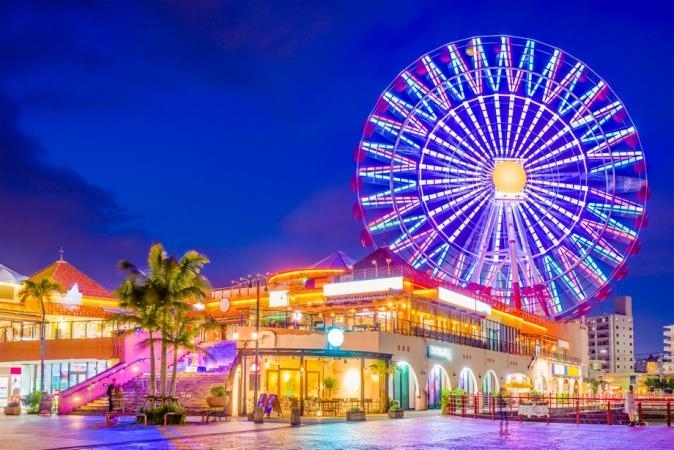
Okinawa Prefecture (formerly the Ryukyu Kingdom) consists of 160 islands (40 of which are uninhabited), stretching for 400 km from north to south and for 1000 km from east to west. Okinawa has a unique culture, history and philosophy of life. Naha is the capital of the Okinawa Islands.
Here you can:
- Admire the real carnival of tropical flowers and see whales
- Diving in crystal clear sea water and swimming with colorful fish scurrying between corals
- Admire the elegant dance of Ryukyu-buyo, in which a woman shows how she feels for her chosen one; the dance of lions with multi-colored manes "Sishimai" and the dance of "Aysa", which dance to the beat of drums and the sounds of a three-stringed instrument "sanshin"
Attractions
The main attractions are castles and palaces of the 14th-18th centuries, many of which are included in the UNESCO World Heritage List:
- Shuri Castle - a national park where the mausoleum of the kings of the Ryukyu dynasty Tamaudun is located
Stone Gate of Sonokhyan - the sacred symbol of the island
- Grotto in the shape of the Safa-Utaki triangle, where prayers are held
- The Royal Shikinaen Garden, where Taiwanese cherries grow, red flowers of Eritrean, colorful Bugainvillea buds, white lilies and yellow Tabebuya flowers
Kitchen
Tofu champuru – a dish made from roasted tofu, vegetables and meat
- Ikasumi Siru - tuna-bonito broth with squid, pork and squid ink
Saata andagia – traditional pastry in the form of a tulip made of flour, sugar and eggs;
- Tebichi - boiled pork legs;
Rafute – pork ribs marinated in fish broth;
- Chinsko - cookies made of flour, ghee and sugar;
Avamori is a traditional alcoholic drink made from Thai rice and rice malt.
Details
- Продолжительность программы
- Odin den
Discuss the details in chat
Message a specialist right away or choose an option first. We will agree the dates, itinerary and final price in chat.