
What to expect
About the trip
Tasco – City of Three Revivals – Tasco. Discuss the itinerary, travel dates and party size with our specialist. We will confirm the included services and provide an individual quote before booking.
The programme below is indicative. We will confirm dates, inclusions and the final price in chat before booking.
Duration and format
12 hours
Itinerary
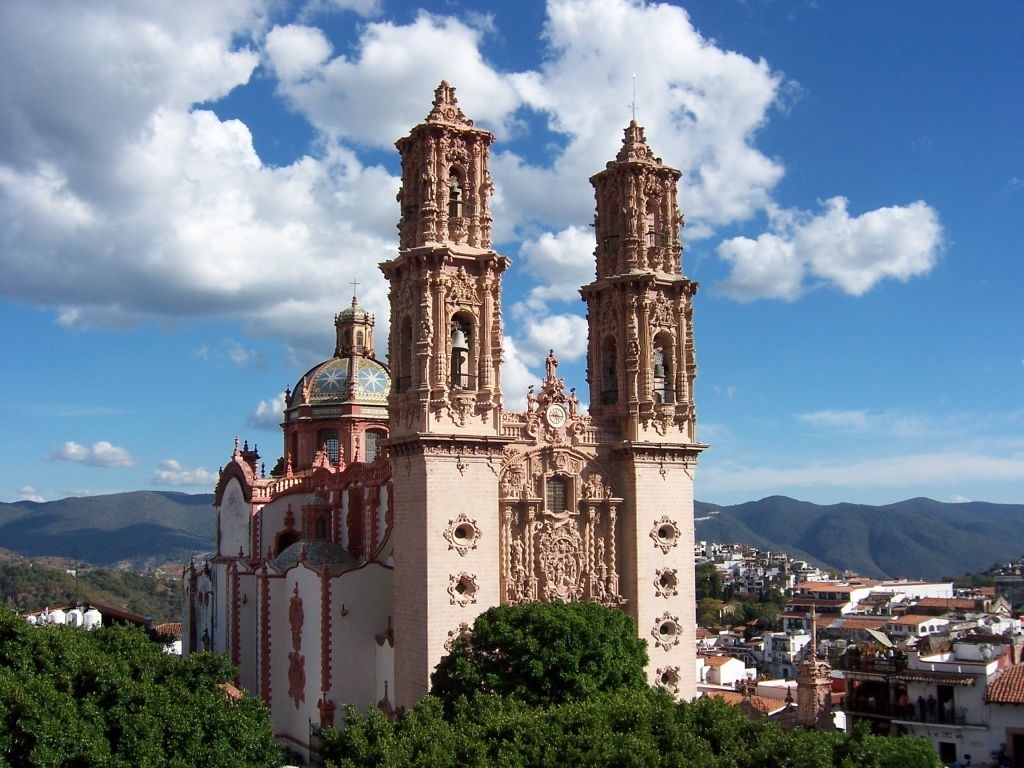
Tasco, a city located in the mountains in the heart of the country, between Mexico City and Acapulco in the Balsas River valley at the foot of the Sierra de Tasco at an altitude of 1,755 meters, has been declared a World Heritage of Humanity by UNESCO. In 2002, Tusco was included in the Mexican-wide program "Wonderful Places". The city was founded by the conquistador Hernan Cortés in 1532 and has long been a pride of colonial silver mining. Tasco became the main supplier of silver to Spain in the sixteenth century, but over time, the surface reserves of silver dried up, and the time came for richer deposits in other parts of Mexico. The city received a second life, but after the liberation of the Mexicans from colonial rule in 1821, the Spanish left Tasco, filling up all the mines, and the second decline of the city began. The event that changed the fate of Tasco for the third time was the appearance of the American architect and jeweler William Spratling in the city. In 1930 he came to this region and decided to stay here forever, and began to create his own school of jewelry. He selects the most capable artists and foundry workers, and a few years later, his galaxy of masters of silver craft appeared in Tasco.
Now Tasco is not only mines, but also ateliers and shops, where you can order and buy elegant trinkets. Tusco is blossoming again. Its flourishing continues to this day. For thirty years, the American created in this town a whole jewelry industry, which today number about 500 craftsmen and craftsmen. The skill of local jewelers is known not only in Mexico, but also far beyond its borders.
William Spratling was still a passionate collector, and his museum, which contains works of art from the pre-Columbian and colonial eras, is one of the main attractions of Tasco. Another important place is the Silver Museum. Every shop here is a museum. Some arrange a “excursion” for tourists, during which you can go down to the mine, see how silver is smelted and processed, and, of course, buy something. Nowadays silver in Tusco is no longer mined in large quantities, but mainly processed imported. There are about 3,500 shops and shops in the city selling exclusively silver jewelry. Local craftsmen are famous for the ability to "marry" metals, creating alloys of various colors.For finishing products, semi-precious stones are used - birch, malachite, black obsidian. The secrets of the craft are passed down from generation to generation. Every successful job is reproduced countless times.
An integral part of the tour in Tasco is a visit to the Cacahuamilpa Caves, which are located a few kilometers from the city. A tour of the caves is like a dive into another world, briefly finding yourself in a place that is difficult to call “earthly”! More than 2700 hectares of amazing picture appears before the eyes of the audience. Huge stalactites, stalagmites and stalactates, illuminated by colorful lights, create unique images. Rays of light that break through the darkness of the caves illuminate numerous rock formations of intricate shapes and sizes that grow from everywhere, from the floor and from the ceiling. It is the largest living cave system in the world. New growths still continue to form there due to groundwater circulating inside. Inside the Cacahuamilpa Grotto, there are 90 large so-called "salons" separated by large natural stone walls and linked together through the central gallery.However, only about 20 of them are fully explored and open to the public. Each of them is on average 40 meters wide and 20 to 81 meters high.
But the most amazing thing is that in this mysterious world of caves there is a Concert Hall, where entertainment events are regularly held, the Acapulco Philharmonic Orchestra, the Spanish singer Miguel Bose and even the Ballet of Moscow give performances.
In addition to its enchanting beauties, the Grutas de Cacahuamilpa National Park also offers various kinds of fascinating and even extreme adventures, such as climbing (for this there are 45 routes laid out and highly recommended by the Squamish Rock Mountaineering Club), as well as you can explore two underground rivers, or admire the local flora of the botanical garden, relax by the pool and even set up your own camp in specially provided for this place.
What is included
- Inclusions will be agreed in the individual quote. Guiding, transport, admission and meals must be confirmed separately; appearing in an itinerary does not automatically mean they are included.
What is excluded and paid separately
- Extra services, meals, shopping and paid visits not listed in the agreed quote. Mandatory supplements will be shown before payment.
Price and options
We will quote for your dates and party size. Tell us how many people are travelling and your preferred format; a specialist will check availability and provide itemised inclusions and extras.
How to arrange your trip
- Select “Clarify details” to open a chat for this trip with a ready-made message.
- Send it as it is or add dates, adult and child numbers and your preferences. Dates can be agreed later.
- A specialist will confirm the itinerary, meeting point, availability, price and cancellation terms before payment.
Details
- Интересы
- Obzornye ekskursii
Discuss the details in chat
Message a specialist right away or choose an option first. We will agree the dates, itinerary and final price in chat.