
What to expect
About the trip
Excursion to the Bronx, Queens, Harlem and Brooklyn. Discuss the itinerary, travel dates and party size with our specialist. We will confirm the included services and provide an individual quote before booking.
The programme below is indicative. We will confirm dates, inclusions and the final price in chat before booking.
Duration and format
9 hours
Itinerary
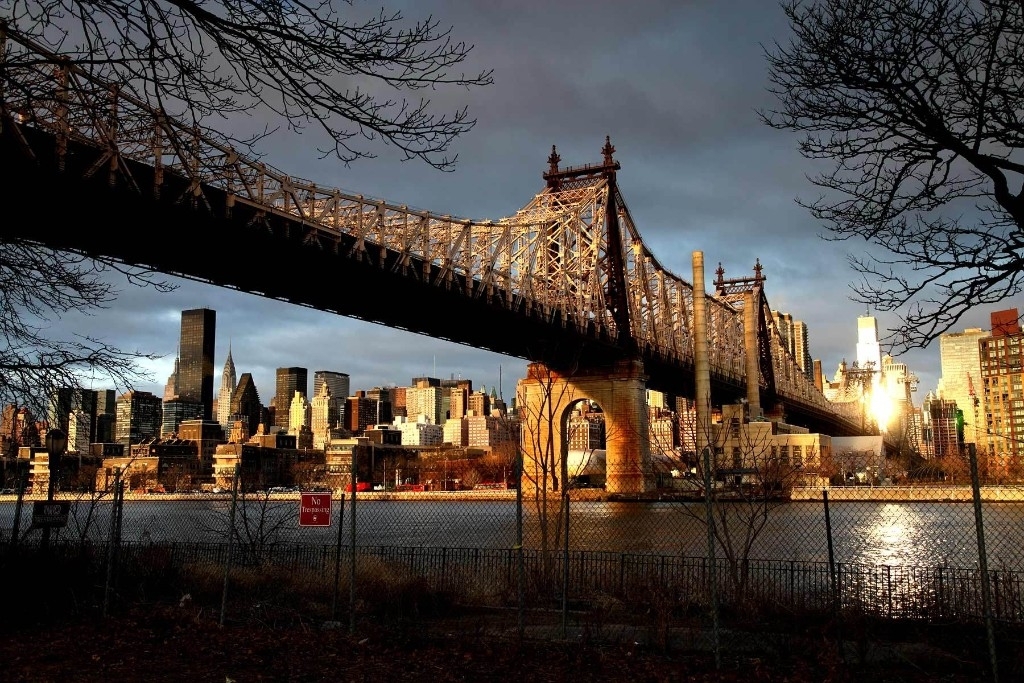
During this tour, you will find the real New York: you will visit the areas of the city, where more than 80% of the local population is concentrated and where there are practically no tourists. The main attractions of the Big Apple, such as the Empire State Building, Times Square and Rockefeller Center are in Manhattan, but New York does not end there. Most tourists have never been outside of Manhattan, even on the outskirts of Harlem, but more than 80% of the population reside in other areas of New York City. We suggest you visit the areas of Brooklyn, Bronx, Harlem and Queens. You will get a taste of the real New York. A tour by private car allows us to quickly move from district to district along interconnected highways. The same subway tour will take much longer (plus count the huge number of people in the subway). We will visit local neighborhoods and markets, look at the sights, and have lunch in a cafe with special local dishes.
Brooklyn:
Williamsburg (the largest Jewish community in the world outside of Israel)
DAMBO;
Brooklyn Heights;
Brooklyn Promenade;
Russian district of Brighton Beach;
Gleason Gym (if you like boxing or wrestling)
Bronx:
New York Yankees Stadium;
South Bronx;
Little Italy in the Bronx;
Fordham Road.
Harlem:
The Apollo Theatre;
African market;
Malcolm Mosque (X) Shabazza;
Maya Angelou's mansion;
Theresa Hotel;
Strivers Row.
Queens:
Jackson Heights is the most ethnically diverse neighborhood in America.
Roosevelt Boulevard;
Flushing Meadow Park;
City Field Stadium;
Billy Jean National Tennis Center / Arthur Ashe Stadium, which hosts the United States Open Tennis Tournaments;
The Queens Museum, where we will see the Panorama of New York, is a large-scale architectural model of the city of New York (9,335 sq. ft or 867.2 sq. m.), including every building built before 1992 in all five districts, a total of 895,000 individual structures. (Note: Closed on Mondays and Tuesdays).
What is included
- Inclusions will be agreed in the individual quote. Guiding, transport, admission and meals must be confirmed separately; appearing in an itinerary does not automatically mean they are included.
What is excluded and paid separately
- Extra services, meals, shopping and paid visits not listed in the agreed quote. Mandatory supplements will be shown before payment.
Price and options
We will quote for your dates and party size. Tell us how many people are travelling and your preferred format; a specialist will check availability and provide itemised inclusions and extras.
How to arrange your trip
- Select “Clarify details” to open a chat for this trip with a ready-made message.
- Send it as it is or add dates, adult and child numbers and your preferences. Dates can be agreed later.
- A specialist will confirm the itinerary, meeting point, availability, price and cancellation terms before payment.
Details
- Интересы
- Tematicheskie ekskursii
Discuss the details in chat
Message a specialist right away or choose an option first. We will agree the dates, itinerary and final price in chat.